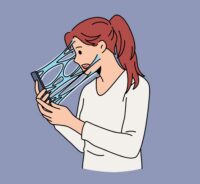
Lately, many of my patients have been opening up about feeling lonely and not just from time to time, but in a way that really weighs on them. What often surprises people is that this can happen even when someone seems “connected,” active on social media, or surrounded by others.

If this sounds familiar, you’re not alone. Loneliness is incredibly common. You can be in a room full of people and still feel disconnected, unseen, or emotionally distant.
Feeling lonely is not a personal failure. I see it as a signal that the person is longing for connection, understanding, or support.
One of the kindest things you can do for yourself is to simply notice loneliness without judging it. Trying to ignore it or push it away often makes it worse. When we acknowledge it, it becomes easier to understand what we actually need.
I often encourage patients to start small. Research shows that even modest steps like reaching out to one trusted person, joining an activity you enjoy, volunteering, or connecting with others around a shared interest can make a meaningful difference over time.
It also helps to strengthen your connection with yourself. Journaling, gentle movement, mindfulness, or creative activities like art or pottery can ease the intensity of loneliness and help you feel more grounded and confident.

I have also recommended to some patients that they might find it helpful to do “loneliness checks”.
This would include noticing when loneliness shows up, exploring what might be behind it, thinking about what could help, and reflecting on what they actually tried.
If loneliness feels persistent or overwhelming, you don’t have to navigate it on your own. Therapy can provide a safe, supportive space to explore past experiences, heal old wounds, and build more fulfilling connections moving forward.
Most importantly, loneliness does not define you. With patience, self-compassion, and small steps toward connection, it can get better.
If you’re curious about whether talking with someone might help, you’re welcome to reach out for a consultation. There’s no pressure. Just a chance to talk, ask questions, and see if it feels like a good fit.
Feel free to email me at DrKimmel@KimmelPsychology.com.
Remember to start each day with joy, speak with positivity, and move forward with optimism.