An Electronic Mental Health Newsletter from Joel I. Kimmel, Ph.D., P.A. & Associates Volume 19, Number 11
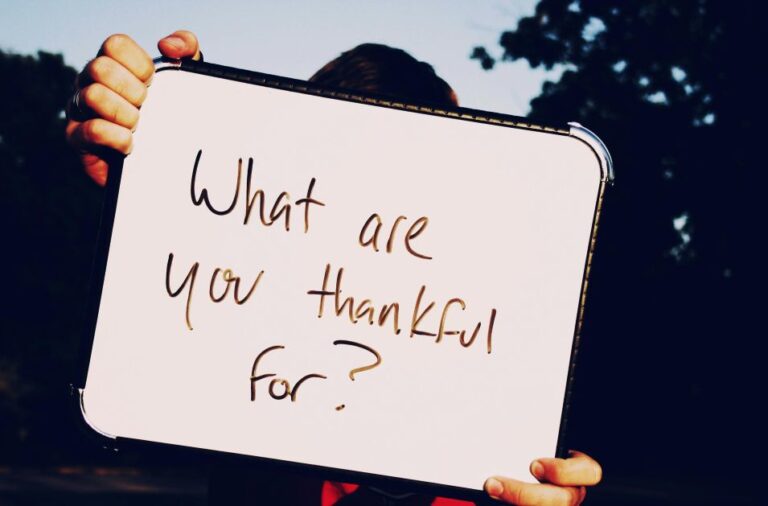
Thanksgiving is right around the corner. With all the stress and divisiveness in our society, it is very easy to forget to give appreciation for what we do have in our lives. Sure, it is very easy to worry about politics, inflation, and a variety of many other things. However, we do have a lot to be thankful for.
Thanksgiving is the holiday that reminds us to appreciate what we have. But gratitude is more than just being thankful.
In general, thankfulness is acknowledging that someone has done something for you.
Gratitude is deeper and reflects a recognition of the blessings one has received and the goodness in our lives. It is appreciating what is truly meaningful and then giving thanks for it.
Our November e-letter is entitled Why Gratitude – 2?.
Dr. Kimmel’s monthly blog, The Power of Self-Respect, can be found here.
We hope you find the enclosed information helpful and interesting. We also thank you for reading our e-Letters and for the positive and compassionate comments we have received.

Why Gratitude 2?
Because life would have a lot less meaning without appreciation. What would our lives be like if we didn’t show appreciation for what we have, for what we have been given, for the people in our lives that we love, and for our opportunities?
Gratitude is not just saying “Thank you” but a deeper emotion that shows true appreciation to oneself and to others, including a higher power. It reflects a recognition of the qualities we possess and the blessings we have received. It is appreciating what is truly meaningful in our lives and giving thanks for it.
Despite society’s problems, we live in the best of times. Life is a lot easier now than it was years ago. Due to advances in science and technology, we live longer, can eat healthier, can express our freedoms, and travel wherever we want. Many diseases have been eradicated and we have a much higher standard of living.
But do we take the time to appreciate any or all of this? Are we too busy to be grateful?
Gratitude is a selfless act that enriches both the giver and the receiver. It fosters connection. It inspires people to “pay it forward.” And research consistently shows that gratitude is linked to greater happiness, stronger relationships, improved health, resilience, and emotional well-being.
Gratitude strengthens mental and physical wellness, decreases depression, and enhances life satisfaction. Best of all, it can be practiced and cultivated every day.

WHY GRATITUDE!
As we express our gratitude, we must never forget that the highest appreciation is not to utter words but to live by them…. John F. Kennedy
WHAT TO KNOW!
- Gratitude is the appreciation of what a person finds truly valuable and meaningful.
- It is more than thankfulness. It’s a deeper emotion of appreciation for someone or something that has enriched our lives.
- Expressing gratitude is a selfless act and shows others that they are valued.
- Research shows that gratitude can improve well-being, decrease depression, increase life satisfaction, strengthen relationships, and improve physical and mental health.
- It can develop stronger immune systems and increase optimism.
- Gratitude helps people connect to something larger than themselves.
- It grows when entitlement ends; easy for some, difficult for others.
- Gratitude can be reciprocated and inspire kindness in return.
- Simple exercises, such as saying “thank you” or writing gratitude letters, can increase happiness.
- It may take courage, but gratitude can become a daily practice.
- Gratitude has historically been considered essential for successful civilizations.
WHAT TO DO!
- Evaluate whether you truly appreciate what you have.
- Before bed, give thanks for the positive things that happened that day.
- Keep a gratitude journal.
- Develop a habit of writing thank-you letters or emails.
- Practice mindfulness and meditation focused on appreciation.
- Invite family and friends to share what they’re grateful for.
- Go out of your way to thank those who help you.
- Try new gratitude practices such as a gratitude bank or chart.
- Seek professional help if you feel too depressed to recognize positives.
We’re Here to Help
- Call us: 954-755-2885
- Email: DrKimmel@KimmelPsychology.com
- Visit us: www.KimmelPsychology.com
Joel I. Kimmel, Ph.D., P.A. and Associates
5551 N University Drive, Suite 202
Coral Springs, FL 33067
As always, we are interested in your thoughts. If you would like to respond to this e-Letter, email your comments to DrKimmel@KimmelPsychology.com and we will publish them next month.
Till December…
The information provided in this electronic newsletter is not a substitute for professional treatment. It is the opinions of the writers and is provided solely for educational purposes. For mental health care, seek a qualified professional.
If you no longer wish to receive future e-Letters, please send an email to DrKimmel@KimmelPsychology.com with Unsubscribe in the subject line.
© 2025 Joel I. Kimmel, Ph.D., P.A. and Associates