An Electronic Mental Health Newsletter from Joel I. Kimmel, Ph.D., P.A. & Associates
Volume 19, Number 9
Whether it’s politics, election season, or social media posts, we are living in a time of heightened incivility. Our nation is increasingly polarized: you’re either with me, or against me.
We have addressed this topic twice before. Unfortunately, the situation has worsened. Today, disagreeing with a group’s message may invite protest, ridicule, rejection, cancellation, or violence.
This month’s e-Letter focuses on understanding incivility and suggests practical steps to manage it.
Dr. Kimmel’s current blog, “When the News Becomes Noise”. here.
Incivility: The New Normal?
Ask yourself:
- Have you lost friends, experienced insults, or witnessed rude, dismissive behavior?
- Have you or your group been verbally attacked simply for holding different views?
- Do you notice news outlets prioritizing their agendas over balanced reporting?
- Have you seen derogatory comments from acquaintances on social media?
- Are you afraid to speak up for fear of being harmed verbally or physically?
Why does it feel as if so many people are angry and on the offensive?
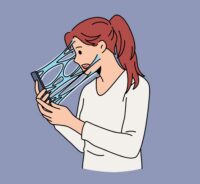
One answer is that incivility behaves like a contagion. It spreads rapidly, influencing others along the way. In today’s hyperconnected world, people often amplify personal preferences without considering the common good. Social media accelerates this process through tweets, posts, and inflammatory viral content.
Even public officials now model disrespectful conduct, dominating the news cycle. With repeated exposure, once-shocking behavior, like vulgarity, name-calling, or public disruption, feels commonplace. Gradually, we grow desensitized and powerless.
Unchecked incivility has real consequences such as increased stress, health problems, decreased productivity, road rage, vandalism, and broken relationships.
Incivility!

Civility costs nothing, but buys everything…Mary Wortley Montagu
What to Know
- Incivility includes behaviors that lack respect, courtesy, and good manners, undermining the values of society.
- It spreads like a virus, making people less kind, less considerate, and less respectful.
- Examples include vulgar language, rude gestures, constant interruptions.
- Monopolizing conversations, dismissing others’ input.
- Arguing for its own sake, conversational narcissism, or “pseudo-listening.”
- Exposure to incivility impairs focus, problem-solving, and decision-making.
- It fuels stress, anger, and aggression which can lead to health issues, poor work performance, vandalism, road rage, and broken relationships.
- Over time, formerly unacceptable language and actions become normalized.
- At its root, incivility reflects communication breakdown fueled by anger, fear, ignorance, or blind loyalty to group beliefs.
- Studies show many people attribute rising incivility to social media.
What to Do
- Limit exposure to contentious media and social platforms to protect mental health.
- Practice active listening; invite others to share their views.
- Ask yourself: Is achieving a good outcome more important than proving I’m right?
- Evaluate your sources: are they honest, reliable, and balanced?
- Watch what you say and how you present yourself; words matter.
- Manage stress and emotions before they escalate.
- Model kindness, respect, and appreciation even when you disagree.
- If disrespected, reframe the experience into an opportunity for personal growth.
- Seek professional help if anger, frustration, or pessimism becomes overwhelming.
Want more tips on mood, health, and managing incivility?
Subscribe to our newsletter and never go hungry for insight again!
If you find it difficult to deal with angry feelings that are interfering with your peace of mind, relationships, or sleep, you don’t have to face it alone.
We’re Here to Help
- Call us: 954-755-2885
- Email: DrKimmel@KimmelPsychology.com
- Visit us: www.KimmelPsychology.com
Joel I. Kimmel, Ph.D., P.A. and Associates
5551 N University Drive, Suite 202
Coral Springs, FL 33067
As always, we are interested in your thoughts. If you would like to respond to this e-Letter, email your comments to DrKimmel@KimmelPsychology.com and we will publish them next month.
Till October…
The information provided in this electronic newsletter is not a substitute for professional treatment. It is the opinions of the writers and is provided solely for educational purposes. For mental health care, seek a qualified professional.
If you no longer wish to receive future e-Letters, please unsubscribe or send an email to DrKimmel@KimmelPsychology.com with Unsubscribe in the subject line.