An Electronic Mental Health Newsletter from Joel I. Kimmel, Ph.D., P.A. & Associates Volume 20, Number 9
“This may be where I came from, but it doesn’t have to be where I stay.”…Unknown
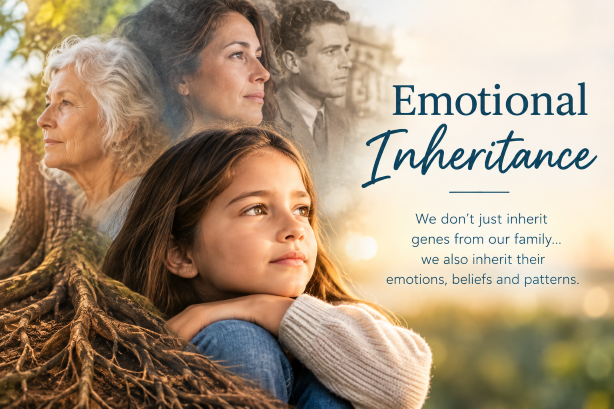
One of the things I have noticed over the years is how much we carry with us from the families in which we grew up.
We inherit many things from our parents and families including our appearance, our mannerisms, our traditions, and sometimes even our sense of humor.
But we also inherit emotional patterns.
Our blog, Self-Care: Taking Better Care of Yourself!, can be found here.

Some of us grew up in families where everyone talked openly about their feelings. Others learned that you don’t talk about personal problems. Some learned to express anger loudly, while others learned to keep their anger to themselves. Some learned to always put other people’s needs first. Others learned to be independent and take care of themselves.
As children, we don’t question these patterns, but we learn them.
As adults, we may avoid conflict because that is what we saw growing up. We may have difficulty saying no because we learned that keeping other people happy was important. We may become overly responsible, overly critical of ourselves, or uncomfortable expressing our emotions.
None of this necessarily means that our families did something wrong. Our parents were influenced by their families, too, and they often did the best they could with what they had learned.
We learn how to deal with anger, disappointment, stress, affection, conflict, and relationships by watching the people around us.

The good news is that what we learned does not have to determine how we live.
As adults, we have the opportunity to look at some of these patterns and decide which ones we might want to change.
Sometimes the first step is simply recognizing, “This is something I learned growing up. It doesn’t necessarily have to be the way I continue to do things.”
That realization can be surprisingly powerful.
WHAT TO DO!
- Notice your patterns. Pay attention to how you respond to anger, criticism, conflict, affection, and stress.
- Ask yourself where you learned it. Think about what you observed in your family growing up.
- Separate the past from the present. What may have helped you as a child may not be necessary or helpful today.
- Give yourself permission to do things differently. You can develop new ways of communicating and responding.
- Talk about feelings. With a partner, friend, child, or therapist, practice putting emotions into words.
- Don’t blame yourself or your family. Understanding where a pattern came from is more useful than assigning blame.
- Choose what you want to pass on. Think about the emotional lessons you want the next generation to receive from you.
We all inherit things from our families. Some are wonderful gifts, while others may be patterns we would prefer to change.

Sometimes changing what we pass on to the next generation begins with something as simple as recognizing a pattern and saying:
“This may be where I came from, but it doesn’t have to be where I stay.”
We can keep the good, change what doesn’t work, and create our own emotional inheritance.
We Can Help!
Taking care of yourself is an important part of taking care of your mental health. If stress, anxiety, or emotional difficulties are making it difficult to manage everyday life, our experienced clinicians can help you develop practical coping skills and greater confidence in managing negative emotions.
We’re Here for You
Schedule a confidential consultation to talk through what you’re experiencing. We provide individual and family therapy, stress management, and treatment for anxiety and depression in both English and Spanish.
Call us: 954-755-2885 or email us at info@kimmelpsychology.com
Visit us: www.KimmelPsychology.com
Joel I. Kimmel, Ph.D. P.A. and Associates
5551 N University Drive, Suite 202
Coral Springs, FL 33067
As always, we value your thoughts. If you would like to respond to this e-Letter, email your comments to DrKimmel@KimmelPsychology.com and we will publish them next month.
Till October…
The information provided in this electronic newsletter is not a substitute for professional treatment. It is the opinions of the writers and is provided solely for educational purposes. For mental health care, seek a qualified professional.
If you find this information helpful, please feel free to share it with others. If you received this e-Letter via email and no longer wish to receive them, please send an email to: DrKimmel@KimmelPsychology.com with Unsubscribe in the subject line.
Copyright © 2026 Joel I Kimmel Ph.D. P.A. and Associates, All rights reserved.