An Electronic Mental Health Newsletter from Joel I. Kimmel, Ph.D., P.A. & Associates Volume 20, Number 8
I’m accustomed to Internet forums where rudeness and incivility are the rule, where too many people seem to take pride in their insults…
Bryan Burrough
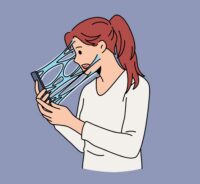
It seems that incivility has become an increasingly common part of everyday life. In a polarized society, we can easily find ourselves divided into “us” and “them.” Having strong beliefs is healthy, but when disagreement turns into insults, anger, threats, and disrespect, everyone is affected.
This month’s blog, Creating Joy in Everyday Life, can be found here.
Consider:
- Have you experienced rude or disrespectful behavior?
- Have disagreements over politics or beliefs affected your relationships?
- Have you seen social media used to attack or belittle others?
- Have you become so accustomed to vulgar language and aggressive behavior that it barely gets your attention anymore?

Incivility can spread like a virus. What once seemed unacceptable like name-calling, public disturbances, hostile language, and disrespect especially for religion can gradually become normalized. Social media can amplify this behavior, giving angry and destructive voices an audience and encouraging others to join in.
The consequences are more than social. Incivility can increase stress and anger, contribute to health problems, reduce productivity, and lead to aggressive behavior and damaged relationships.
Consider: Am I contributing to the problem, or am I part of the solution?

So, what can we do?
- Limit your exposure to negativity. Take breaks from news and social media when they increase stress, anger, or frustration.
- Question your sources. Before accepting or sharing information, ask yourself: Is it accurate, reliable, and balanced?
- Watch your words and tone. Choose respectful language and be aware of how you come across to others.
- Model civility. Practice kindness, respect, and appreciation even when you strongly disagree.
- Encourage civility in others. Help family, friends, and coworkers create a more respectful environment.
- Practice kindness. Do one thoughtful act each day and encourage others to do the same.
- Check your stress level. Notice when anger or frustration is building and take time to relax, step away, and reset.
- Ask for help when needed. If ongoing conflict or incivility is leaving you persistently angry, frustrated, stressed, depressed, pessimistic, or unable to enjoy life, consider talking with a mental health professional.
We Can Help!
If excessive incivility is affecting your life, our experienced clinicians can help you develop practical coping skills and greater confidence in managing negative emotions.
We’re Here for You
Schedule a confidential consultation to talk through what you’re experiencing. We provide individual and family therapy, stress management, and treatment for anxiety and depression in both English and Spanish.
Call us: 954-755-2885 or email us at info@kimmelpsychology.com
Visit us: www.KimmelPsychology.com
Joel I. Kimmel, Ph.D. P.A. and Associates
5551 N University Drive, Suite 202
Coral Springs, FL 33067
As always, we value your thoughts. If you would like to respond to this e-Letter, email your comments to DrKimmel@KimmelPsychology.com and we will publish them next month.
Till September…
The information provided in this electronic newsletter is not a substitute for professional treatment. It is the opinions of the writers and is provided solely for educational purposes. For mental health care, seek a qualified professional.
If you find this information helpful, please feel free to share it with others. If you received this e-Letter via email and no longer wish to receive them, please send an email to: DrKimmel@KimmelPsychology.com with Unsubscribe in the subject line.
Copyright © 2026 Joel I Kimmel Ph.D. P.A. and Associates, All rights reserved.