An Electronic Mental Health Newsletter from Joel I. Kimmel, Ph.D., P.A. & Associates Volume 20, Number 10
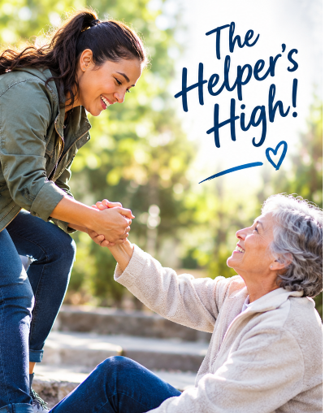
It’s simple: Doing good can make us feel good!
Helping others can lift our spirits, strengthen relationships, and give us a greater sense of purpose. Have you ever helped a neighbor, comforted a friend, or done something thoughtful for a stranger and walked away feeling better yourself?
That’s the essence of the Helper’s High.
Humans are social beings. Acts of kindness help build the connections that make life meaningful. We see this after hurricanes, floods, and other disasters, when people volunteer, donate, and comfort those in need. Helping others can bring out the best in us.
This month’s blog, Fall Is A Reminder: Learning To Let Go!, can be found here.

Why does helping feel so good?
The term Helper’s High became popular in the 1980s to describe the positive feelings that can follow helping others. We may feel energized and uplifted, followed by a sense of calm and satisfaction.
Helping others engages the brain’s reward systems, creates feelings of satisfaction, and reminds us that we can make a difference. It can also shift our attention away from our own worries.
We cannot always control what happens in the world, but we can choose how we respond. Be kind, give your time, and look for opportunities to make someone’s day a little better.
Remember, helping others does not mean neglecting yourself. Healthy helping comes from compassion, not guilt or obligation. Maintain reasonable boundaries and give in ways that are meaningful and manageable for you.
“We make a living by what we get, but we make a life by what we give”… attributed to Winston Churchill.

WHAT TO KNOW!
- Acts of kindness can promote happiness, satisfaction, and emotional well-being.
- Helping others strengthens social connections and gives us a sense of purpose.
- Volunteering can reduce loneliness and help us feel more connected to our community.
- Small gestures matter. Listening, offering encouragement, and checking on a neighbor can make a difference.
- Helping others can remind us that we have something valuable to offer.
- The key is to help compassionately while maintaining healthy boundaries.
WHAT TO DO!
- Volunteer your time. Choose a cause or activity you find meaningful.
- Reach out. Check on a friend, neighbor, or family member who may be struggling.
- Practice everyday kindness. Listen, express appreciation, and offer encouragement.
- Set an example. Let others see the value of compassion through your actions.
- Notice the difference. Pay attention to how helping others affects your own outlook and make kindness a regular habit.
We’re Here for You
Taking care of yourself is essential to your mental health. If stress, anxiety, or emotional difficulties interfere with everyday life, our experienced clinicians can help you develop practical coping skills and manage difficult emotions.
Schedule a confidential consultation to talk through what you’re experiencing. We provide individual and family therapy, stress management, and treatment for anxiety and depression in both English and Spanish.
Call us: 954-755-2885 or email us at info@kimmelpsychology.com
Visit us: www.KimmelPsychology.com
Joel I. Kimmel, Ph.D. P.A. and Associates
5551 N University Drive, Suite 202
Coral Springs, FL 33067
As always, we value your thoughts. If you would like to respond to this e-Letter, email your comments to DrKimmel@KimmelPsychology.com and we will publish them next month.
Till November…
The information provided in this electronic newsletter is not a substitute for professional treatment. It is the opinions of the writers and is provided solely for educational purposes. For mental health care, seek a qualified professional.
If you find this information helpful, please feel free to share it with others. If you received this e-Letter via email and no longer wish to receive them, please send an email to: DrKimmel@KimmelPsychology.com with Unsubscribe in the subject line.
Copyright © 2026 Joel I Kimmel Ph.D. P.A. and Associates, All rights reserved.